Why Season Matters for Your Irish Wedding
Planning a wedding in Ireland means working with nature's rhythm. You'll find different flowers available in spring versus winter, which affects your choices, your budget, and honestly, how authentic your arrangements feel. We're not saying you can't have peonies in December — you can, they'll just cost more and travel from somewhere warm.
The real magic happens when you work WITH what's in season. Irish growers have incredible flowers blooming at different times. Knowing what's actually growing in the fields and gardens right now helps you create arrangements that feel right for the moment.
Spring: The Peak Season (March to May)
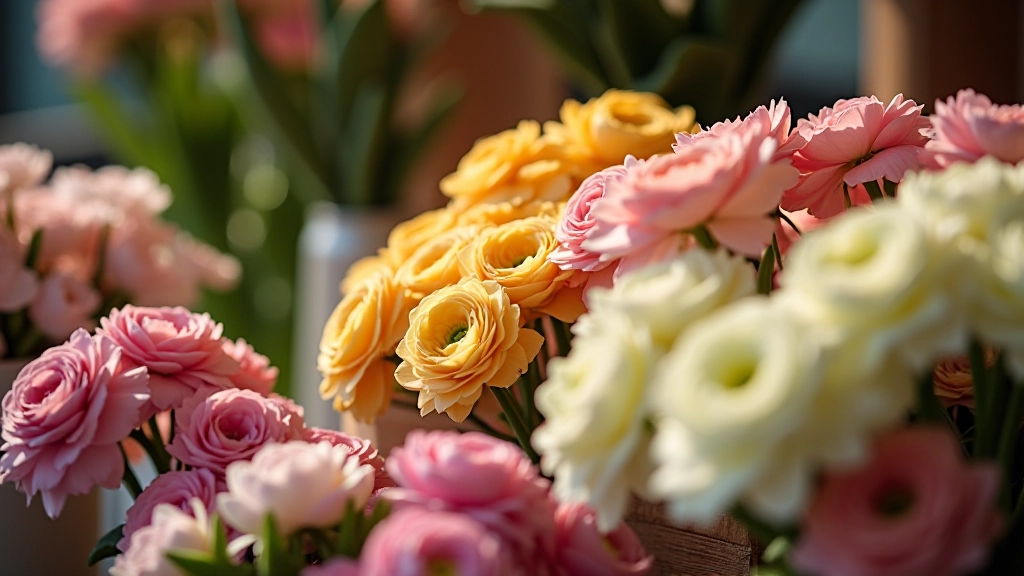
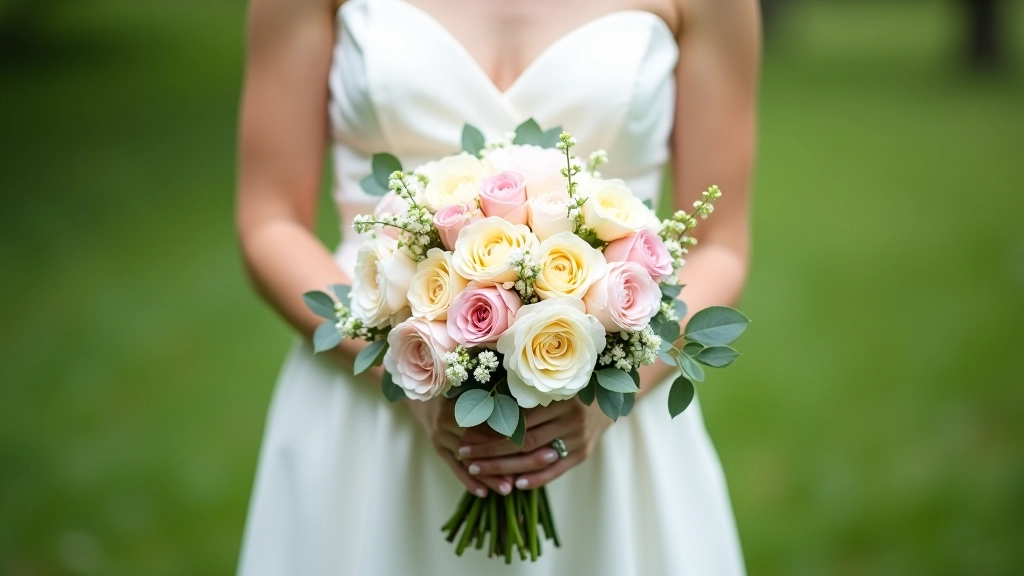
Spring in Ireland is when florists absolutely thrive. Tulips, ranunculus, sweet peas, and garden roses are all blooming locally. You'll find daffodils everywhere, but most couples steer toward the softer pastels — creams, blush pinks, soft yellows. They're fresh, abundant, and honestly? They cost less because supply is high.
The challenge with spring isn't availability — it's choosing what NOT to include. Everything looks good right now. Astilbe adds texture without taking over. Stock flowers give you height. Sweet peas smell incredible if your florist can source them. And if you want greenery, spring gives you everything from eucalyptus to trailing ivy. Most Irish gardens look full and loose in spring, so that's what we recommend for arrangements too.
Spring Essentials
- Ranunculus — delicate, layered petals, naturally abundant
- Sweet peas — fragrant and romantic, grows well in Irish climate
- Garden roses — full, cabbage-like blooms, softer than hybrid roses
- Tulips — underrated for weddings, clean lines, spring feel
- Astilbe — feathery texture, pairs beautifully with larger blooms
About Availability & Costs
Flower availability and pricing can vary by region within Ireland and depend on individual grower capacity. The seasonal guides here reflect typical patterns, but we recommend checking directly with local florists in your area for specific flowers and current costs. Import and storage affect prices year-round, so get quotes from at least two florists before finalizing your budget.
Summer: Bold & Abundant (June to August)
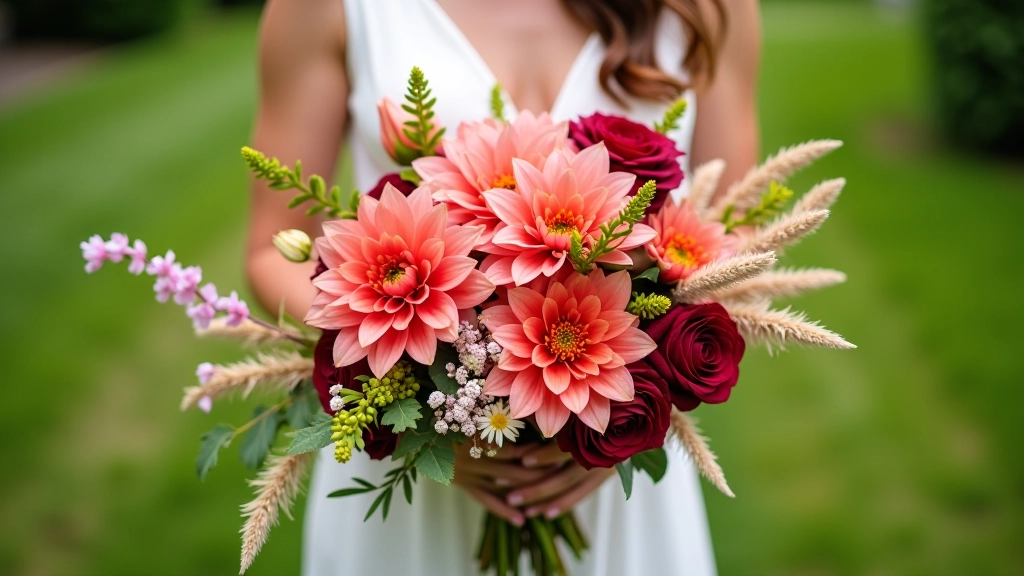
Summer weddings in Ireland get vibrant color. Dahlias are HUGE — they grow so well here and come in almost every shade imaginable. Lisianthus blooms prolifically. Sunflowers are available if you want that cheerful, garden vibe. Hydrangeas are at their peak. You can also get decent roses and peonies are still available early summer, though they're pricier than spring.
The thing about summer is that Irish gardens naturally look full and abundant. We lean into that. A summer wedding bouquet doesn't need to be delicate — it can be generous, layered, textured. Dahlias mixed with roses and some unexpected foliage (think ornamental grasses, seed pods, berries) creates that effortless garden-picked look that photographs beautifully.
Autumn: Rich Tones & Texture (September to October)
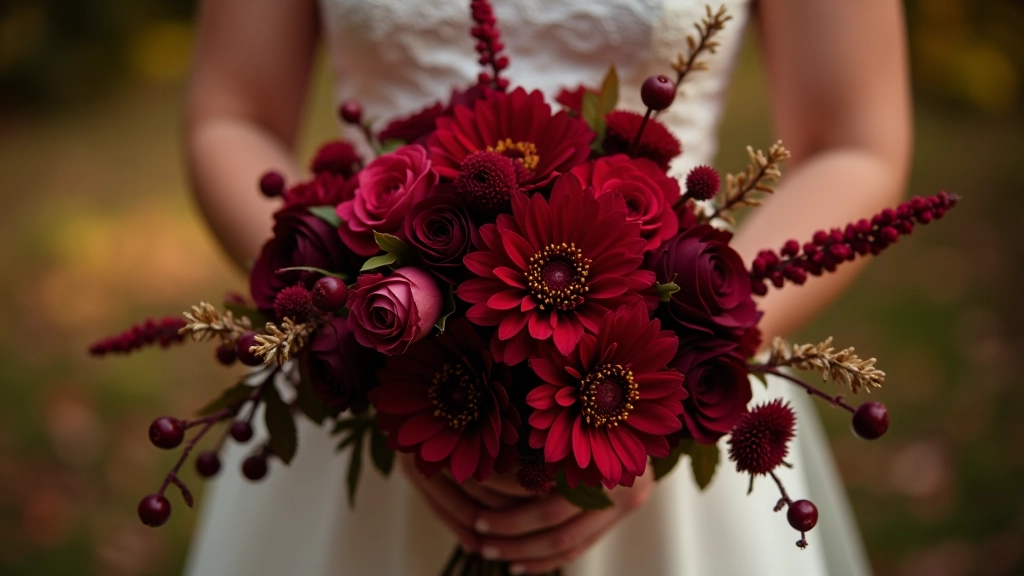
Autumn flowers in Ireland are where things get interesting. Dahlias continue from summer but in deeper tones — burgundy, chocolate brown, russet orange. Chrysanthemums get a bad rap but garden varieties are actually gorgeous. Hypericum berries turn red. You've got astilbe again. Sunflowers fade out but there's still plenty of texture and warmth available.
Autumn weddings can feel really special because the color palette is naturally more sophisticated. Burnt orange, deep reds, creams, and gold tones feel intentional. Add in some trailing branches, berries, or even dried elements, and you get a look that's distinctly seasonal without being costume-y.
Winter: Dramatic & Imported (November to February)
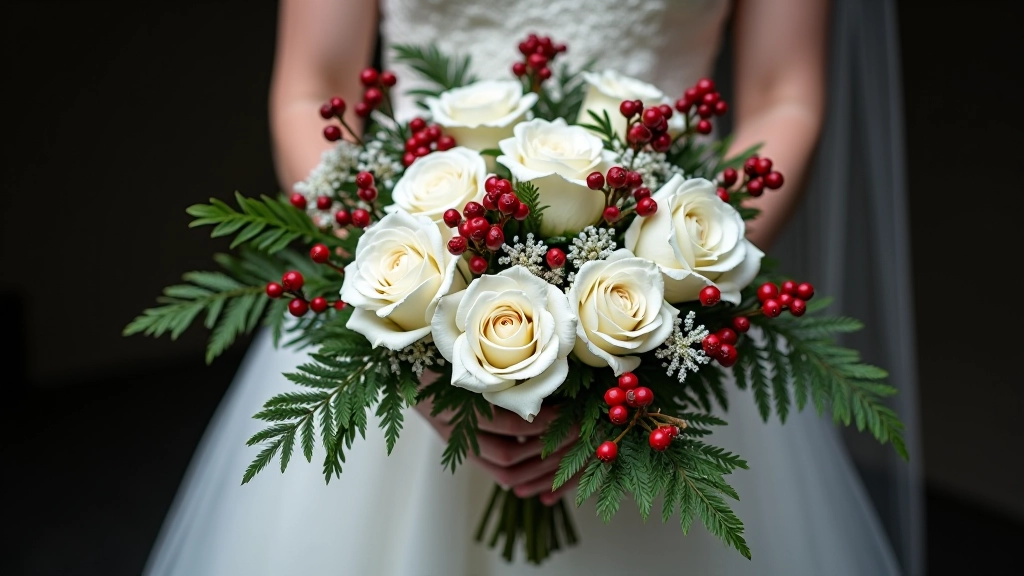
Winter is when seasonal arrangements get tricky and prices climb. Local availability drops significantly. You're relying on imports for most traditional wedding flowers — roses, lisianthus, and ranunculus all come from warmer climates now. But here's the thing: winter arrangements can be absolutely stunning if you lean into what IS available locally.
Hellebores bloom in winter. Skimmia berries are vibrant red. Dried foliage, branches, and evergreens give you structure and drama without breaking the budget. Holly, ivy, and winter greenery are abundant. If you want fresh flowers too, expect to pay more, but white or cream roses mixed with rich greenery and interesting branches creates something really sophisticated. It's not about quantity — it's about impact.
Working with Seasonal Flowers: Practical Tips
Start with your florist about 3-4 months before your wedding. That's enough time for them to source flowers and plan ahead. If you're set on something not in season — like peonies in winter — ask about cost upfront. You'll pay more, but at least you'll know what you're getting into. Don't be surprised if a florist suggests alternatives that are in season and equally beautiful. They're not trying to limit your choices; they're trying to give you the best value and quality.
Consider building your palette around what's naturally available. You don't have to abandon your vision, but working WITH the seasons rather than against them usually means better quality flowers, lower costs, and arrangements that feel authentic to Ireland. Plus, flowers that are naturally in season last longer and hold up better through the day.
Ask your florist about local growers too. Some Irish florists work directly with local farms and gardens. That story — "these roses are from a farm in County Wicklow" — adds something real to your wedding. It's also usually more sustainable and supports the community you're celebrating in.
Making Your Choice
Your wedding flowers don't have to be exotic or out-of-season to be beautiful. Ireland has gorgeous blooms at every time of year. Spring offers abundance. Summer brings bold color. Autumn gives you sophisticated tones. Winter becomes dramatic and elegant. Pick your season, work with what grows, and you'll end up with flowers that feel right for your moment.
The best arrangements we've seen aren't always the most expensive ones. They're the ones where someone actually thought about what was happening in the garden that month and built from there.